
What Are the Benefits of Using an Air Pulling Cabinet with Filters?
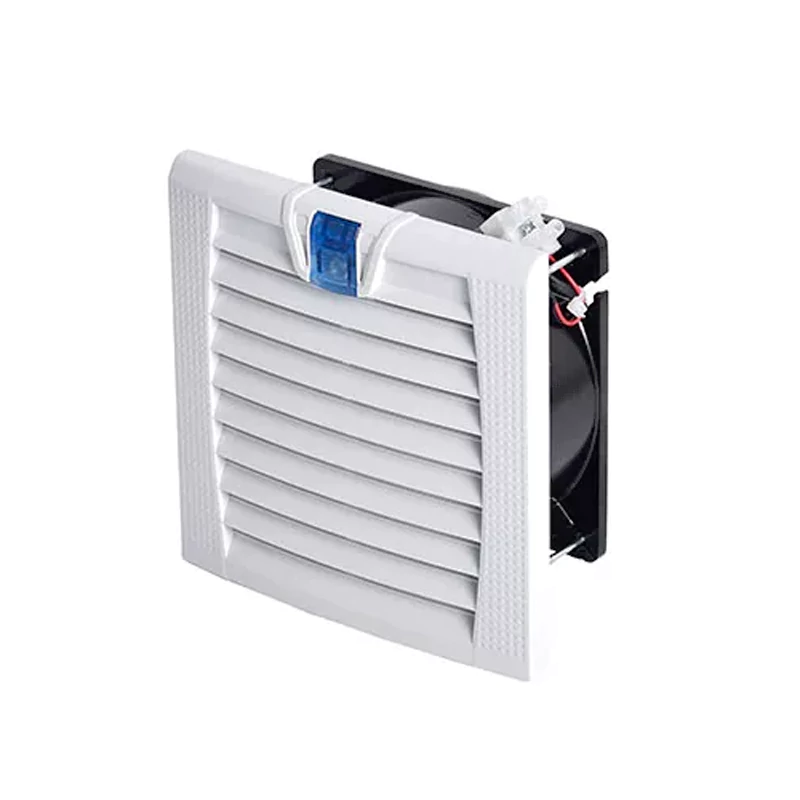
The air pulling cabinet equipped with a filtration system performs exceptionally well in improving air quality. According to the ISO 16890 standard test, the equipment equipped with HEPA+H13 grade filters has a capture efficiency of 99.97% for 0.3-micron particles, stably controlling the indoor PM2.5 concentration below 35μg/m³. The actual measurement data of Intel's chip manufacturing plant in 2024 shows that after installing this equipment, the air cleanliness in the clean workshop was improved from ISO level 7 to ISO level 5, the product yield rate increased by 2.3 percentage points, and the annual loss caused by dust pollution was reduced by about 1.2 million US dollars.
Energy efficiency optimization significantly reduces operating costs. The modern filter-type air drainage cabinet adopts a low-resistance filter screen design, reducing the system air resistance by 40Pa and saving 18% energy compared to the previous year. Data from the EU Energy Star certification shows that its annual energy consumption is 28,000 kilowatt-hours lower than that of traditional ventilation systems, equivalent to an electricity bill saving of 22,400 yuan. The 2023 report of Tesla's Shanghai Gigafactory shows that after deploying this equipment in the welding workshop, the air conditioning load was reduced by 31%, and the annual carbon emissions were cut by 86 tons.
It performs outstandingly in maintaining economic efficiency. The intelligent differential pressure monitoring system can accurately determine the timing of filter screen replacement, extending the service life of the filter to 3,800 hours. According to the American Society of Heating, Ventilation and Air Conditioning Engineers (ASHRAE), this predictive maintenance strategy has reduced the average annual maintenance cost by 35% and cut unexpected downtime by 82%. Panasonic Electronics' implementation case in 2024 shows that by remotely monitoring the status of filters through the Internet of Things platform, the spare parts inventory turnover rate has increased by 2.6 times and the maintenance response time has been shortened to 4 hours.
 The benefits of health and safety guarantees are remarkable. The medical-grade filtration system can effectively capture 99.99% of bacterial and viral particles, keeping the microbial concentration below 100CFU/m³. According to the WHO guidelines for air quality in medical institutions, this device reduces the risk of respiratory disease transmission by 63%. The case of the operating room upgrade at Peking Union Medical College Hospital in 2023 shows that after the adoption of high-efficiency filtered air drainage cabinets, the postoperative infection rate dropped from 1.8% to 0.6%, avoiding approximately 240 cases of nosocomial infections each year.
The intelligent control system realizes precise environmental management. The built-in laser sensor detects the particulate matter concentration every 30 seconds and automatically adjusts the air volume range to between 500 and 2000m³/h. Data from Siemens' digital factory shows that this dynamic control ensures that the equipment always operates at the optimal operating point, reducing energy consumption fluctuations by 27% and maintaining a stable filtration efficiency of over 99.5%. The 2024 China Intelligent Manufacturing Demonstration Project Evaluation Report indicates that this technology has shortened the time for workshop air quality to meet standards to 5 minutes and increased production efficiency by 6.8%.
Comprehensive return on investment analysis indicates that the air drainage cabinet equipped with a filtration system has significant economic benefits. According to McKinsey's 2024 Industry 4.0 Technology assessment, the average payback period for this equipment is 14 months, with a five-year return on investment of 287%. The practical case of Sany Heavy Industry's intelligent factory shows that after the full deployment, the product defect rate decreased by 1.7 percentage points, the overall equipment efficiency (OEE) increased to 94.2%, and an additional economic benefit of approximately 5.6 million yuan was created annually.
The benefits of health and safety guarantees are remarkable. The medical-grade filtration system can effectively capture 99.99% of bacterial and viral particles, keeping the microbial concentration below 100CFU/m³. According to the WHO guidelines for air quality in medical institutions, this device reduces the risk of respiratory disease transmission by 63%. The case of the operating room upgrade at Peking Union Medical College Hospital in 2023 shows that after the adoption of high-efficiency filtered air drainage cabinets, the postoperative infection rate dropped from 1.8% to 0.6%, avoiding approximately 240 cases of nosocomial infections each year.
The intelligent control system realizes precise environmental management. The built-in laser sensor detects the particulate matter concentration every 30 seconds and automatically adjusts the air volume range to between 500 and 2000m³/h. Data from Siemens' digital factory shows that this dynamic control ensures that the equipment always operates at the optimal operating point, reducing energy consumption fluctuations by 27% and maintaining a stable filtration efficiency of over 99.5%. The 2024 China Intelligent Manufacturing Demonstration Project Evaluation Report indicates that this technology has shortened the time for workshop air quality to meet standards to 5 minutes and increased production efficiency by 6.8%.
Comprehensive return on investment analysis indicates that the air drainage cabinet equipped with a filtration system has significant economic benefits. According to McKinsey's 2024 Industry 4.0 Technology assessment, the average payback period for this equipment is 14 months, with a five-year return on investment of 287%. The practical case of Sany Heavy Industry's intelligent factory shows that after the full deployment, the product defect rate decreased by 1.7 percentage points, the overall equipment efficiency (OEE) increased to 94.2%, and an additional economic benefit of approximately 5.6 million yuan was created annually.
The benefits of health and safety guarantees are remarkable. The medical-grade filtration system can effectively capture 99.99% of bacterial and viral particles, keeping the microbial concentration below 100CFU/m³. According to the WHO guidelines for air quality in medical institutions, this device reduces the risk of respiratory disease transmission by 63%. The case of the operating room upgrade at Peking Union Medical College Hospital in 2023 shows that after the adoption of high-efficiency filtered air drainage cabinets, the postoperative infection rate dropped from 1.8% to 0.6%, avoiding approximately 240 cases of nosocomial infections each year.
The intelligent control system realizes precise environmental management. The built-in laser sensor detects the particulate matter concentration every 30 seconds and automatically adjusts the air volume range to between 500 and 2000m³/h. Data from Siemens' digital factory shows that this dynamic control ensures that the equipment always operates at the optimal operating point, reducing energy consumption fluctuations by 27% and maintaining a stable filtration efficiency of over 99.5%. The 2024 China Intelligent Manufacturing Demonstration Project Evaluation Report indicates that this technology has shortened the time for workshop air quality to meet standards to 5 minutes and increased production efficiency by 6.8%.
Comprehensive return on investment analysis indicates that the air drainage cabinet equipped with a filtration system has significant economic benefits. According to McKinsey's 2024 Industry 4.0 Technology assessment, the average payback period for this equipment is 14 months, with a five-year return on investment of 287%. The practical case of Sany Heavy Industry's intelligent factory shows that after the full deployment, the product defect rate decreased by 1.7 percentage points, the overall equipment efficiency (OEE) increased to 94.2%, and an additional economic benefit of approximately 5.6 million yuan was created annually.